

Condensation in your Garden Room
Condensation in your garden room, Water droplets on windows, walls, or the ceiling, is one of the most common niggles new garden room owners face. Especially in a well-insulated, airtight timber frame build like the ones we guide you through here on selfbuildgardenroom.com.
The good news? It’s usually temporary and completely manageable with the right approach. Let’s break it down step by step: why it happens, when it’s worst, and how proper ventilation (especially those trickle vents) saves the day.
Why Does Condensation Happen in an Airtight Garden Room?
Modern garden rooms are designed to be energy-efficient and cosy all year round. That means excellent insulation, vapour barriers, and a pretty airtight shell to keep the heat in and the cold out.
But here’s the catch: warm air holds more moisture than cold air. When warm, humid air inside your garden room meets a cooler surface (like a window, external wall, or roof), the moisture condenses into water droplets.
Sources of that indoor moisture include everyday activities (breathing, boiling the kettle, drying clothes, or just having people in the room), plus – crucially in a new build – moisture trapped in the construction materials themselves.
The Big One: Initial Moisture Release from Timber, Plaster, and Paint
When you’ve just finished your self-build, your garden room is effectively full of “wet clothes drying indoors”.
- Timber frame and cladding – Fresh timber holds natural moisture that slowly evaporates over weeks or months.
- Plaster – Wet plaster contains a huge amount of water. As it cures and dries, that moisture is released into the air.
- Paint – Even emulsion paints add some moisture during application and curing.
This initial drying-out phase is the peak time for Condensation in your Garden room. You might notice heavy misting on windows, damp-feeling walls, or a musty smell. It’s perfectly normal and can last 2–8 weeks (sometimes longer in colder, damper weather). It gets better as the structure fully dries out.
Top tip for these first few weeks: Resist sealing everything up tight! Keep ventilation going strong to let that construction moisture escape. A dehumidifier can help speed things along without over-drying the materials too quickly.
Here’s what that initial heavy condensation often looks like on cold glass:
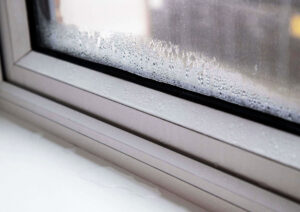
How To Stop Condensation On Windows — Condensation In Home
Winter and Cold Temperatures: Why Condensation Gets Worse
Winter in the UK is when condensation really shows its teeth – especially in a brand-new garden room. Outside temperatures plummet (often below 5°C or even freezing), while you’re trying to keep the inside warm and snug.
The bigger the temperature difference between inside and outside, the colder your windows and external walls become. Warm, moist indoor air hits these chilly surfaces and condenses instantly – sometimes in thick layers of droplets or even running down the glass.
This is not a sign that your build has gone wrong. It’s basic physics: the colder it gets outside, the more likely you are to see condensation unless you manage the indoor air properly.
Key winter challenges:
- Lower background heat means colder surfaces.
- Shorter days and less natural ventilation (people are reluctant to open windows).
- Higher indoor humidity can result from drying clothes indoors, cooking, or just breathing.
The solution? Double down on controlled ventilation and gentle background heating. Don’t let the room go completely cold when unused – a frost-stat heater or low-level electric radiator prevents surfaces from dropping too low.
The Critical Role of Good Ventilation – Especially Trickle Vents
Ventilation is your garden room’s best friend against condensation, mould, and stuffy air. In an airtight build, you need controlled fresh air exchange to remove moist air and bring in drier outside air.
Trickle vents (those small adjustable slots at the top of windows or doors) are brilliant for this. They provide gentle, constant background ventilation without massive draughts or heat loss.
Do Trickle Vents Stop Condensation?
Why they’re essential:
- They dilute humid air and reduce the risk of condensation.
- They help meet UK building regs guidance (Part F) for habitable spaces.
- They work passively (no electricity needed) and can be adjusted or closed if needed.
In the first few weeks (and throughout winter), open trickle vents fully – and windows/doors when possible – to purge excess moisture. It might feel a bit cooler, but it’s far better than being trapped in damp conditions, leading to mould.
Maintaining Good Ventilation Long-Term in Your Airtight Garden Room
After those early weeks, condensation should be minimal if you maintain balance:
- Keep trickle vents open most of the time – adjust more in humid or stuffy weather, slightly less in very cold snaps (but never fully close them long-term).
- Use a dehumidifier as a winter booster if needed – they’re great for pulling moisture out without losing too much heat.
How do dehumidifiers work? An expert explains | Homebuilding
- Heat gently – Low background warmth prevents cold surfaces.
- Monitor humidity – Aim for 40–60% relative humidity (a cheap hygrometer is your friend).
- Avoid extremes – Don’t block vents or over-seal; don’t let the room freeze unused.
With your well-insulated, breathable build (vapour barriers inside, breathable membranes outside), good ventilation ensures the space stays fresh, dry, and mould-free for years – even through the bleak midwinter.
Final Thoughts
Condensation in your garden room isn’t a sign of poor workmanship – it’s a natural part of the drying-out process, and it’s amplified by our chilly British winters. Give it time, prioritise ventilation from day one (trickle vents are your secret weapon), and you’ll soon have a warm, dry, all-season retreat.
If you’re following our step-by-step plans, you’ve already built a strong, high-quality structure. Now just let it breathe a little!
Questions about winter ventilation in your specific build? Drop us a comment below or check our garden room ventilation guide.
Frequently Asked Questions
Why is there so much condensation in my new garden room?
Condensation occurs when warm, moist air hits cooler surfaces like windows or walls. In a new airtight garden room, the biggest cause is moisture evaporating from fresh timber, wet plaster, and curing paint – this is completely normal after building.Everyday activities (breathing, kettle, etc.) add to it too. Here’s what heavy condensation often looks like on windows in the early stages:
How long does the initial heavy condensation last?
The worst phase usually lasts 2–8 weeks while the timber, plaster, and paint release trapped moisture. It can take longer in cold or damp conditions. After this drying period, things improve significantly with good ventilation.
Are trickle vents really necessary in an airtight garden room?
Yes – they’re essential! Trickle vents provide controlled background ventilation to remove excess moisture without major heat loss or draughts. They help prevent mould, meet UK Building Regulations (Part F), and are key to keeping your garden room dry and healthy.
Why does condensation get worse in winter?
In winter, large temperature differences between warm indoors and cold outdoors (often below 5°C) make windows and walls much colder. Warm moist air condenses instantly on these surfaces. It’s normal physics in the UK – use trickle vents and gentle background heat to manage it.
How can I stop condensation long-term in my garden room?
After the initial drying:
Keep trickle vents open most of the time (adjust as needed).
Use gentle background heating to keep surfaces warmer.
Run a dehumidifier during very humid or cold spells.
Monitor humidity (aim for 40–60%) with a cheap hygrometer.
Purge ventilate with windows when using the room heavily.


